
- Conference Report 2025
- Conference Report 2024
- Conference Report 2023
- Conference Report 2022
- Conference Report 2021
- Conference Report 2020
- Conference Report 2019
- Conference Report 2018
- Conference Report 2017
- Conference Report 2016
- Conference Report 2015
- Conference Report 2014
- Conference Report 2013
- Conference Report 2012
- Conference Report 2011
- Conference Report 2010
- Conference Report 2009
- Conference Report 2008
- Conference Report 2007
- Conference Report 2006
- Conference Report 2005
- Conference Report 2004
Conference Report 2024
12th October 2024
Our conference this year was online but was nonetheless well attended and no less powerful.
Speaking first was long-time Human Writes friend Pablo Stewart, forensic psychiatrist and veteran of around 300 death penalty cases. He reiterated some of the statistics around the various US death rows, emphasising how the race of a murder victim can be a key factor as to whether a prosecutor will seek a death sentence. Pablo’s insights into the current social and financial perspective of the US death penalty were particularly interesting. He devoted some time to discussing the politics of capital punishment and how surveys show it is becoming less palatable to the public in many states. He also discussed the financial realities of the death penalty and explained how the expense of the legal process is quite a burden to states. Frequently nowadays, prosecutors will aim to settle for life without parole, with the defendant giving up the right to any appeals, thereby saving a considerable amount of money.
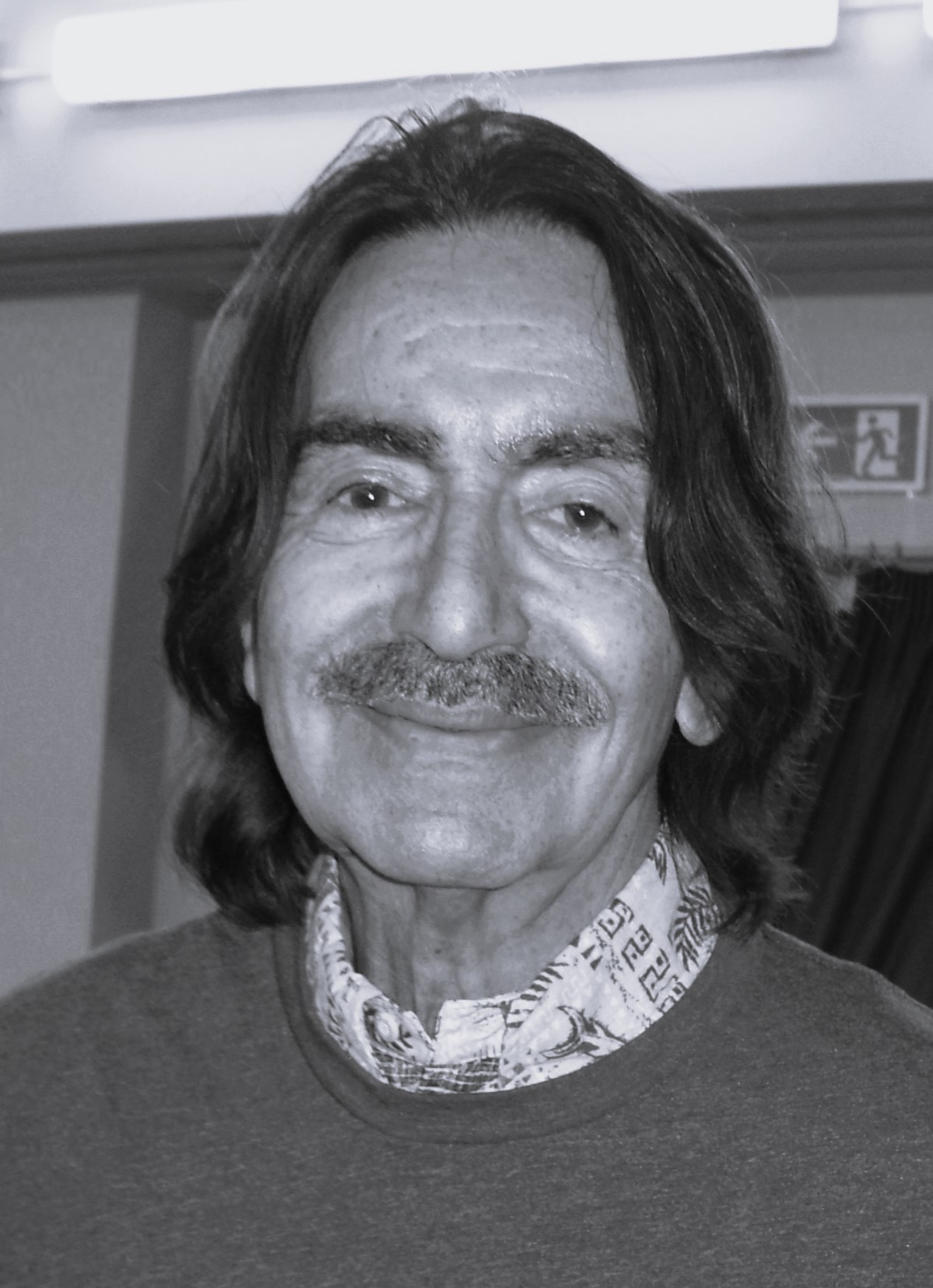
Pablo clarified, however, that several states still remain steadfastly in favour of the death penalty and the fact that there are fewer people overall being sentenced to death can make it easier to source the execution drugs required. Additionally, in this past year, other methods of execution have started to be employed.
The next item on our programme was a short session on the role of a Human Writes state co-ordinator, presented by Maggie Allder and Rebecca Davey. Maggie joined the team in 2010 and spoke warmly of the various facets of the role and some of the experiences in her fourteen years as our Arizona co-ordinator. These have included setting up penfriendships for writers and prisoners, sharing their good times and being here in any worrying or difficult times, including sadly if execution dates should be set and how supporting both prisoner and penfriend in whatever way they need is of paramount importance at these times. Rebecca joined the co-ordinator team in November 2023 and spoke of her first year in the role as our North Carolina co-ordinator, later adding the remaining four commuted Oregon prisoners to her remit. Both Maggie and Rebecca spoke enthusiastically about their co-ordinator roles, which we hope may encourage more of our members to consider becoming involved in this vital role within our organisation.
Attendees then divided into state groups to meet with their co-ordinators and fellow writers, following which the traditional lighting of two candles and joining together in one minute’s silence were observed.
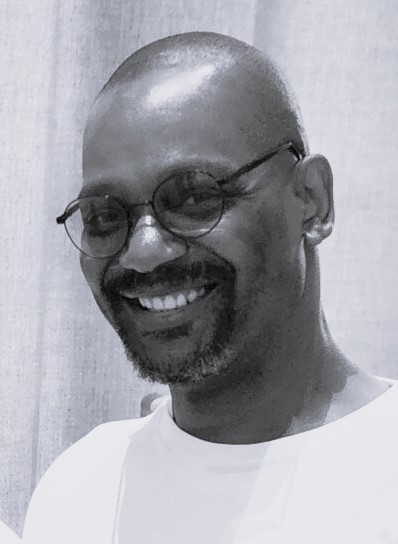
We warmly welcomed Daniel Gwynn as our first speaker of the afternoon. Daniel had spent 30 years in the Pennsylvania prison system, 27 of these on death row, prior to being exonerated in early 2024. He spoke movingly of his life on and after death row, beginning with the ineffectual legal representation he had received during his trial. Arriving on death row in 1994, he had found the conditions very difficult, particularly being locked down for 23 hours a day. Thanks to the support of a fellow death row inmate, and following time spent in the prison law library, Daniel realised that he needed to advocate for himself and he took up artwork to fund his legal learning and also to help good causes that he supported.
After several years Daniel discovered that the DA’s office and police had been hiding the fact that they had a suspect who fitted the description of the perpetrator of the crime for which Daniel had been convicted. Larry Krasner, the District Attorney, agreed that there had been misconduct in Daniel’s case. Daniel only found out that he had been exonerated from the congratulations he was given by his fellow inmates.
The joy of being released quickly gave way to some more sombre realities of life after such a long time on death row. When Daniel arrived at his family home, he did not recognise any of the people who were there to greet him, including a niece who was 30 years old who he had never met. Aside from reconnecting with a family he doesn’t know, other facets of life in the world have also been difficult. Daniel was finally able to visit his mother’s grave and now understands why she abandoned him as a young child. His many years of incarceration have left their mark - Daniel doesn't like loud noises or being in crowds and he finds it difficult to sleep.
However, despite the difficulties, Daniel confirmed that he is looking forward and doing a lot of 'firsts'. Since being released he has voted for the first time, although did so via postal ballot to avoid any crowds at the polling booth. He has also travelled to San Francisco, been to a movie theatre and he loves riding his bicycle. Today he spends a lot of his time educating people and groups on the injustice that can take place and the misconduct that has occurred. He mentioned that there have been some positive changes to the legal process in capital cases, albeit he sees it as his destiny to educate and create meaningful change. We very much appreciated listening to Daniel and our good wishes go with him for the future.
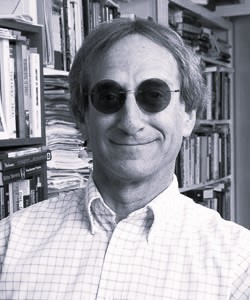
Our final speaker was Dr Rick Halperin, Director of the Southern Methodist University Human Rights Education Program. A long-term friend to Human Writes from its very early days, Rick briefly discussed the history of the United States and how much of this had been dominated by slavery and segregation. Historically too these aspects had been very apparent in the criminal justice system and legal representation in US capital cases had also been poor, although encouragingly it has improved in more recent times.
Rick clarified that one of the key components of many death penalty trials now involves mental health testing and discussed how IQ test scores can often determine whether or not someone is mentally impaired. He explained, however, the test thresholds are not consistent across all states.
Rick ended his talk with an insightful update of the death penalty laws, trends and current situations across the various US states. He highlighted that recent years have shown a reduction in the total number of executions across the states, with new death sentences also decreasing. He firmly believes that the legal environment will eventually change to the extent that the death penalty will finally be abolished. We were encouraged to hear however that until that time comes, Rick will continue with his dedicated work which is appreciated and valued by so many.
The conference concluded with Sue thanking all of our speakers for their enlightening and motivating talks and for sharing the day with us. She also thanked Isabel and Caroline for arranging this most enjoyable event.
In a Death Row prisoner‘s own words:
“Julian is the most wonderful person I have ever had as a penfriend and I am really grateful that you brought us together. He is trying to teach me your English cricket – what a bewildering game it is!”
“Julian is the most wonderful person I have ever had as a penfriend and I am really grateful that you brought us together. He is trying to teach me your English cricket – what a bewildering game it is!”
Human Writes Patrons
"The very essence of the death penalty is to tell people that they are somehow sub-human, not fit to live. Yet even those people I have represented who did what they were accused of - a surprisingly limited number - have always been much better people than their worst fifteen minutes, as are we all. Those who recognise this by reaching out to the men and women on death row are true heroes, though I suspect they gain as much as they give to the relationship."
Clive Stafford Smith OBE, Founder of Reprieve and Patron, Human Writes
"As a journalist who has lived and worked in the United States, the horror of death row is one of the issues that never leaves you. The thread of humanity that Human Writes manages to sustain with men and women on death row is a profound contribution to keep alive the hope of life. Capital punishment is now on the retreat in America, but the numbers awaiting their fate are still very considerable. I am very honoured to have become a Patron of Human Writes and will hope to do my best to put my shoulder to the wheel".
Jon Snow Broadcaster and journalist, Patron, Human Writes
"I know what it is like to live in a cell for decades and feel that the whole world hates you. I never expected to be able to live again as a contributing member of a community. Prison life was precarious and unpredictable but I met people who worked there who wanted to help me and people like me - and I'm lucky that I live in a society graceful enough to offer me a second chance. At least I had hope. Hope for many of the people supported by Human Writes has all but been extinguished. Letters to people on Death Row let them know that however low they may have fallen, they are still human beings. They still have value and are worth caring about and letters might just help to keep hope alive. That is why I am honoured to have been invited to be a patron."
Erwin James 1957 - 2024, author and Guardian columnist, Patron, Human Writes
Past Reports
Prisoner Art and Writing


"The volunteers of Human Writes seek to hold out the hand of friendship to men and women facing the death penalty. I am pleased to encourage them in their writing"
Most Reverend and Rt Hon George L Carey, former Archbishop of Canterbury
"No matter its circumstances, dying is one of the most important things we ever do. I applaud all who offer compassion and hope to those facing death, especially in the terrible circumstances of Death Row. May God bless your work."
His Eminence Cardinal Vincent Nichols, Archbishop of Westminster